1. GETTING TO KNOW DEREK
For someone discovering you for the first time through Mauka Surfaris, how would you introduce yourself today?
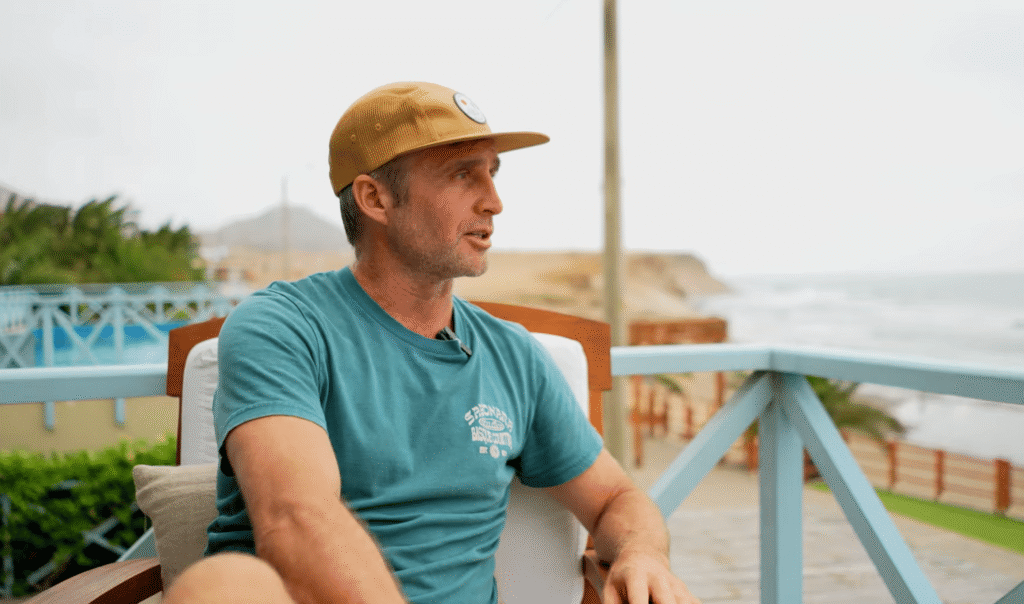
I’m a 53 year old Canadian. I live with my partner Jen in North Vancouver, BC. I have 2 kids (a 20 year old daughter and a 17 year old son) and 2 step-daughters (20 & 22). I grew up in the mountains and snowboarded at a high level from 1986 until about 1996. I graduated from university in 1996 and started trying to figure out what I’d do for a living. Part of that discovery was spending 6 months in West Africa where I first learned to surf in Ghana.
From 2000 to 2022, I ran a couple small software companies that I started with a few friends. Since 2022, I’ve been retired. A lot happened in those 22 years. I raised a family and worked very hard (to the point of burn out). I also ran into some serious injuries and health issues. I lost my vestibular system from a virus and it took quite a while for my brain to figure out balance again. In that time I also had knee surgery, 3 shoulder surgeries, a subtalar fusion in my foot, and 3 back surgeries (including a fusion from L4-S1). To make a long story short, I started SUP surfing in 2009 on days when the waves were ankle high. My injuries forced me to give up prone surfing in 2012.
In 2014, I discovered I could still SUP surf and realized that I actually enjoyed it more than prone surfing, especially as the boards evolved to be under 8-feet long. From 2019 to 2023, I had to put paddle surfing on hold as I worked through more back issues. I was able to get back in the water in 2023 and completely fell in love with it again.
2. YOUR QUIVER
Tell us a little about your quiver.
I have a 3-board quiver:
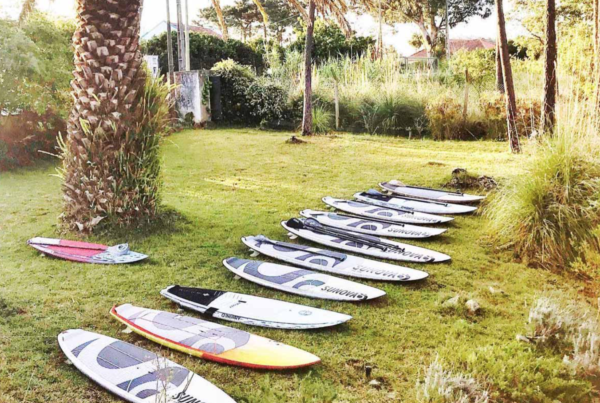
1.) Infinity Blurr V3 – 7’11 x 28, 100 L
2.) Infinity B-Line Twin – 7’8 x 27, 91 L
3.) Infinity Blurr V3 custom – 7’6 x 27.5, 90 L
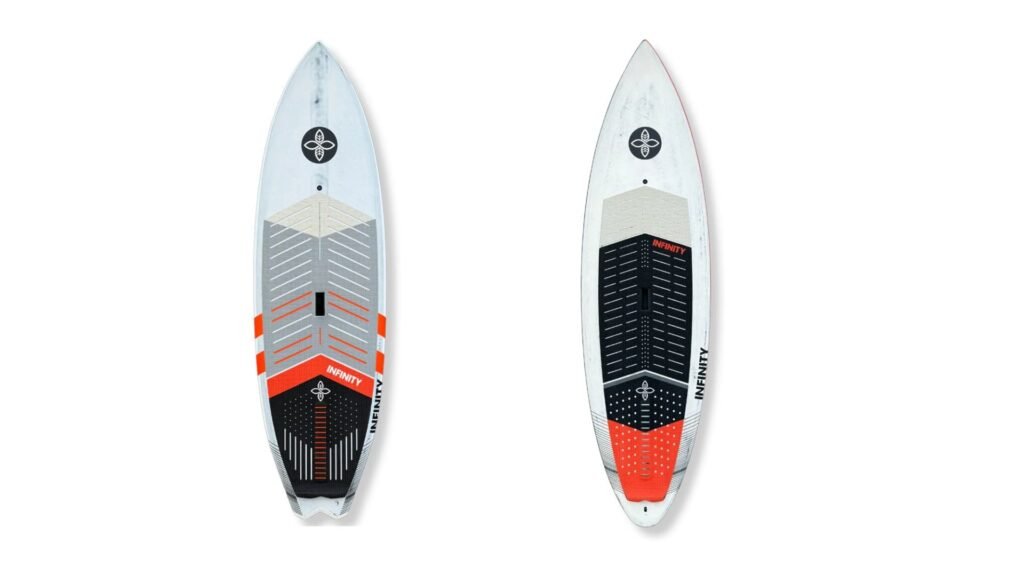
I’m 171 cm tall (about 5’8) and weigh about 70 kg (155 lbs). 90-95 L is my current sweet spot for volume (about 1.3 v/w ratio).
What are you riding at the moment, and what kind of surfing are you most drawn to these days?
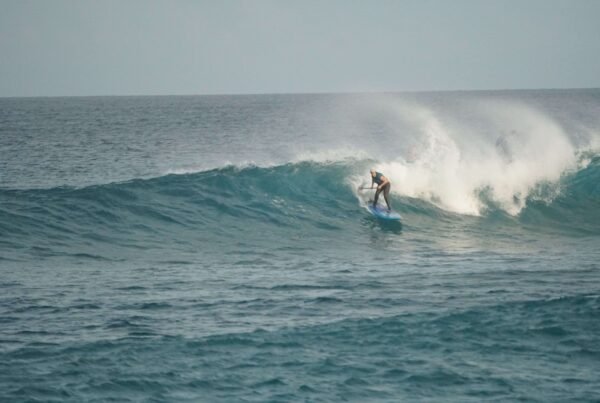
I like waves in the chest to slightly overhead range. I like a bit of steepness and power, but as an intermediate surfer, I can only handle so much–I’m not hunting barrels. I’m a regular-footer, but enjoy both lefts and rights. I like the mid-length style of SUP surfing. I like watching guys who really flow. In my dreams, I’d surf a SUP like Devon Howard surfs his mid-lengths. I’m less keen on really frantic surfing with big power hacks. The super low volume shortboard SUPs aren’t options for me and I think they kind of defeat the idea of what SUP surfing is (that’s just my opinion though).
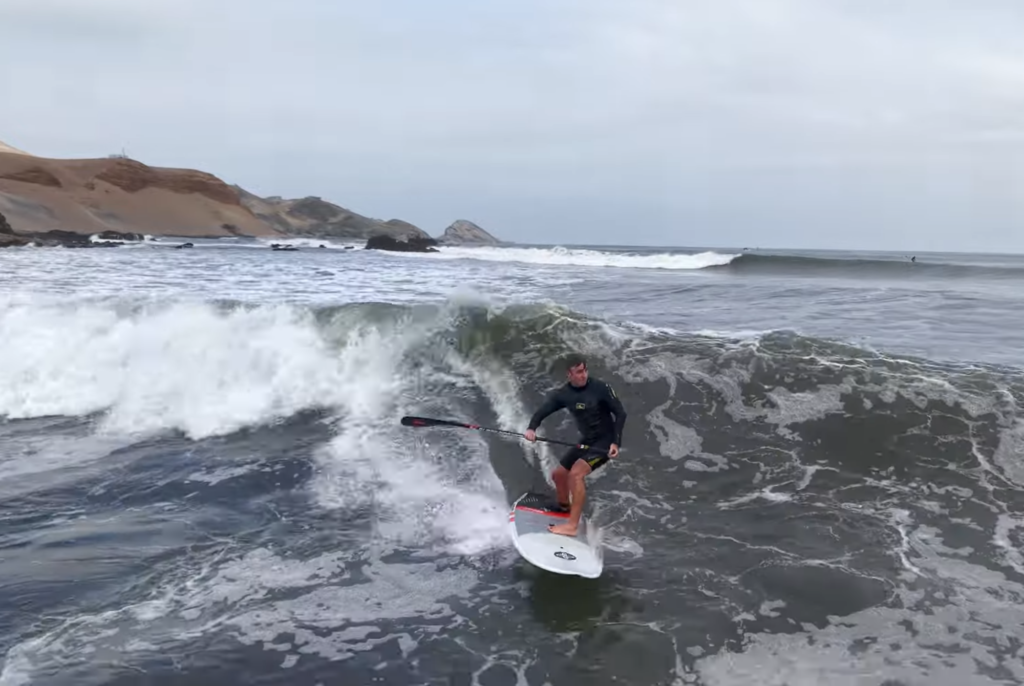
I don’t enjoy longboarding as much, but think it’s one of the coolest ways to surf. I wish I liked it more but for some reason, I just don’t click with it. That might be because I tend to surf like I used to snowboard (for better or for worse) and that style doesn’t work well on a longboard.
My “local” break is Tofino which is a 6-7 hour journey to get to (by car and ferry) and the waves can be pretty fickle. So since 2023, I tend to travel to surf and usually go with a camp (including a few with Mauka). I also have a good friend down in Southern California and I’ll go down and surf with him a few times a year. It’s such a short flight for me that I can leave home in the morning and be surfing with my buddy that afternoon.
3. WHY CHICAMA ?
You’ve travelled to some incredible surf destinations around the world. What made you choose Chicama for this trip?
Ya, I’ve been privileged enough to join camps in Costa Rica, Morocco, The Maldives and Portugal. I knew from my experiences with Tiago in The Maldives and Portugal that his style of coaching and running a camp worked for me–it’s a good balance of technical coaching with just going out to have fun. I also got to surf with him in Morocco at one of his friend’s camp. Tiago had some time off and took his vacation to come surf with us in Morocco–that made me laugh. But it goes to show just how much he enjoys paddle surfing, and his enthusiasm is contagious.
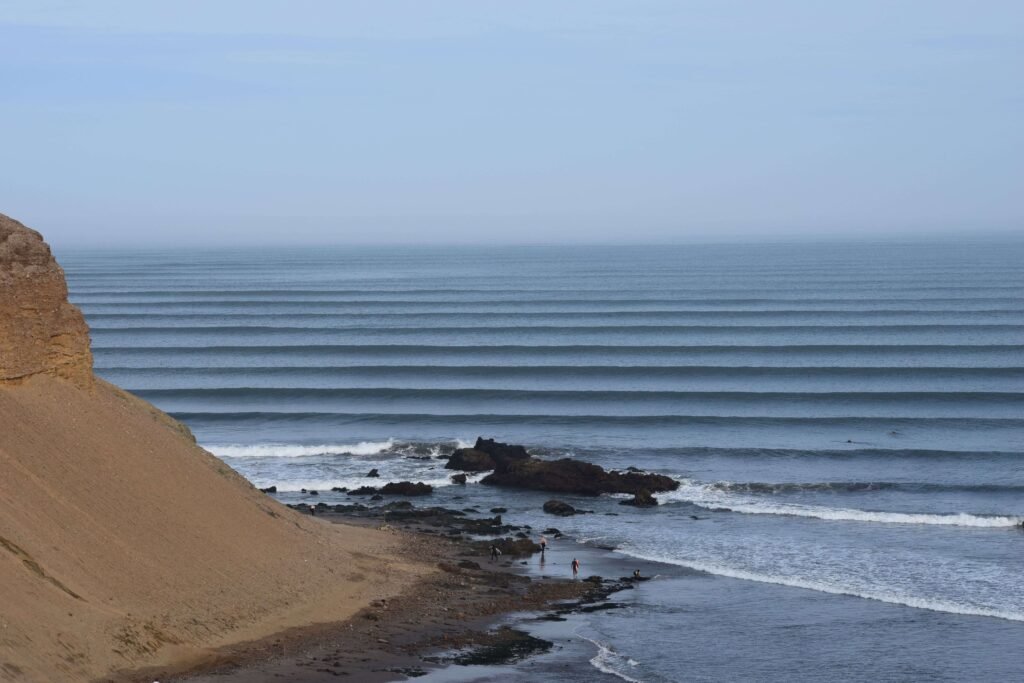
I had heard about Chicama over the years. But at these camps I attended, I started hearing more about the wave from other guests and just how good it was for paddle surfing. Most of the breaks I surf tend to be rights (my frontside). I really enjoy lefts, but wasn’t as practiced at them.
So the idea of heading to one of the world’s longest lefts was pretty appealing. Going with Mauka was a no-brainer. I knew it would maximize my chance to surf the best conditions and locations possible based on the conditions. I knew I’d get quality coaching and video review. And I knew I’d meet a bunch of cool people.
4. THE TRIP
The trip almost didn’t happen. When did Chicama first enter your radar, and when did you finally decide, “OK, I’m going”?
Oh man. Ya, my life cycles between injured and not injured. Unfortunately in January 2026, I ended up straining a few tendons in my foot. That foot is incredibly vulnerable from the subtalar fusion I had to get after shattering my heel mountain biking. The tendons I strained are fickle and take quite a bit of time to rehab–usually a year or two.
My trip to Chicama was in May 2026. My foot was not in a good place. I called Tiago and he convinced me to come down and just take in as much as I could. He’s been through injury recovery so he could relate. We talked about what things would look like if I had to sit sessions out. I’ve had to learn to focus on what Ican do and not on what I can’t. Tiago gave me a good reminder of that. It was a good call. I worked with my physiotherapist and we came up with a plan as far as how far to push myself. I ended up surfing 1 session a day instead of 2 and took the final day off based on the feedback I was getting from my foot. I had an amazing time.
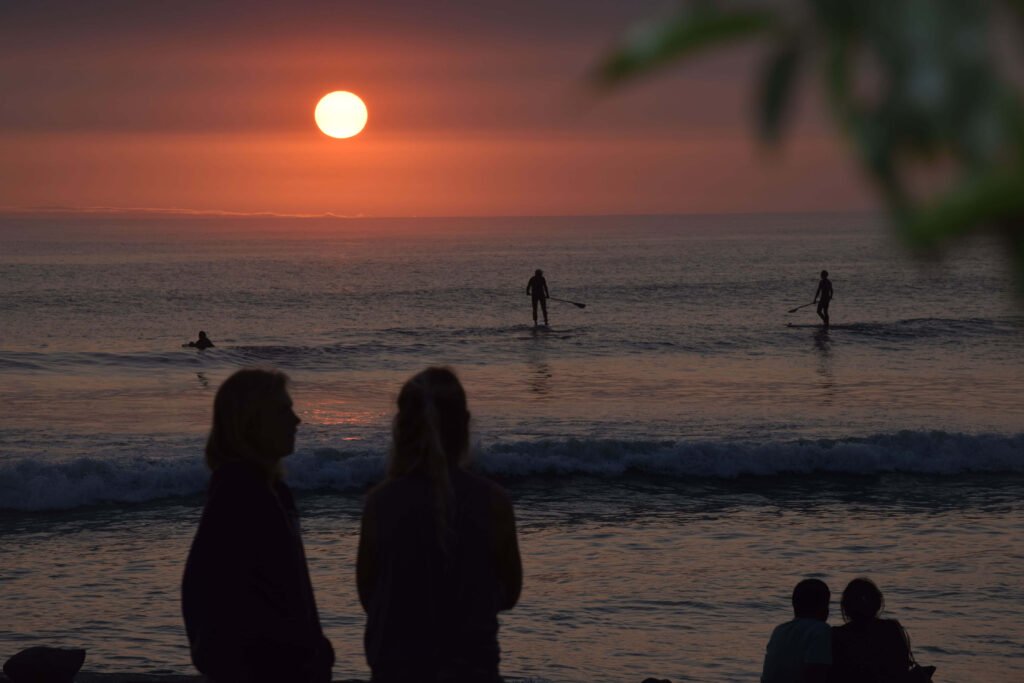
I was really motivated by the chance to surf such a quality left (where I knew I’d get enough time on the face to really improve my backhand) and to meet a new set of people. I also wanted to keep my progression going with the continued coaching.
5. WHAT MAKES CHICAMA SPECIAL ?
Everyone knows Chicama because it’s famous for being one of the world’s longest left-hand waves.But after actually surfing it, what makes Chicama special in a way that you simply can’t understand from watching it on a screen ?
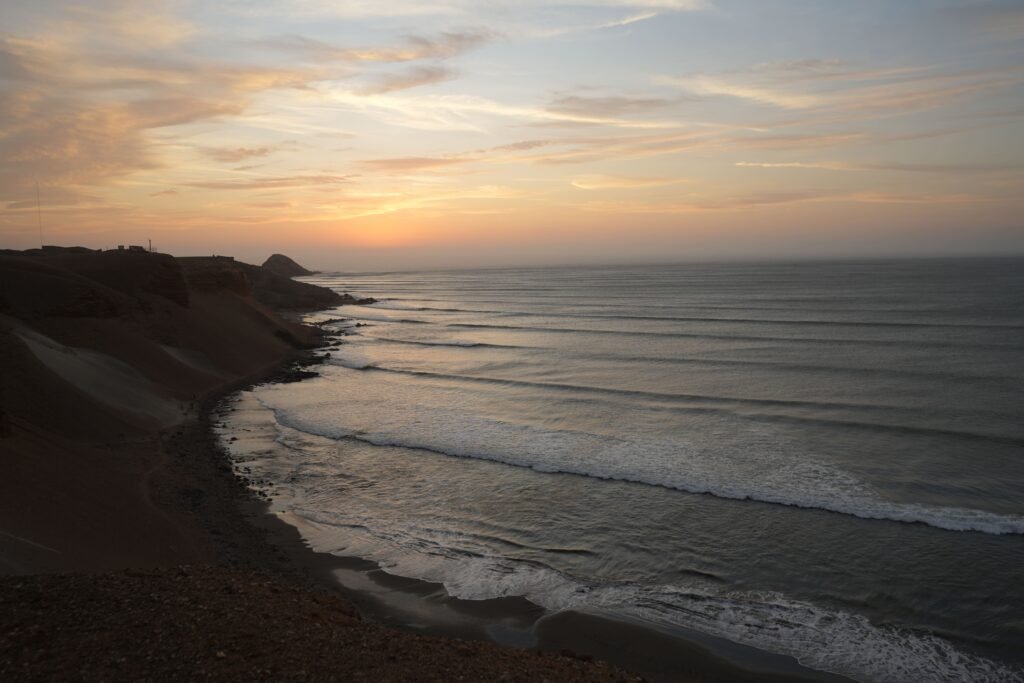
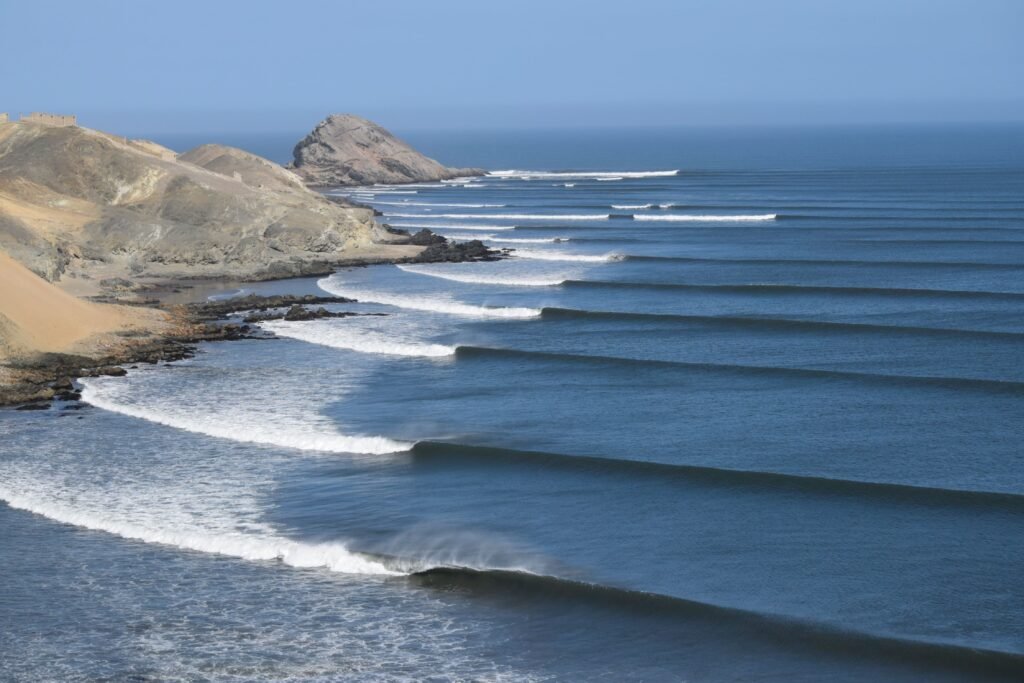
There were a few things that really stood out. The length of rides and the amount of open face are the core to the experience. I was really focused on learning backhand and this wave was the best possible place to do it.
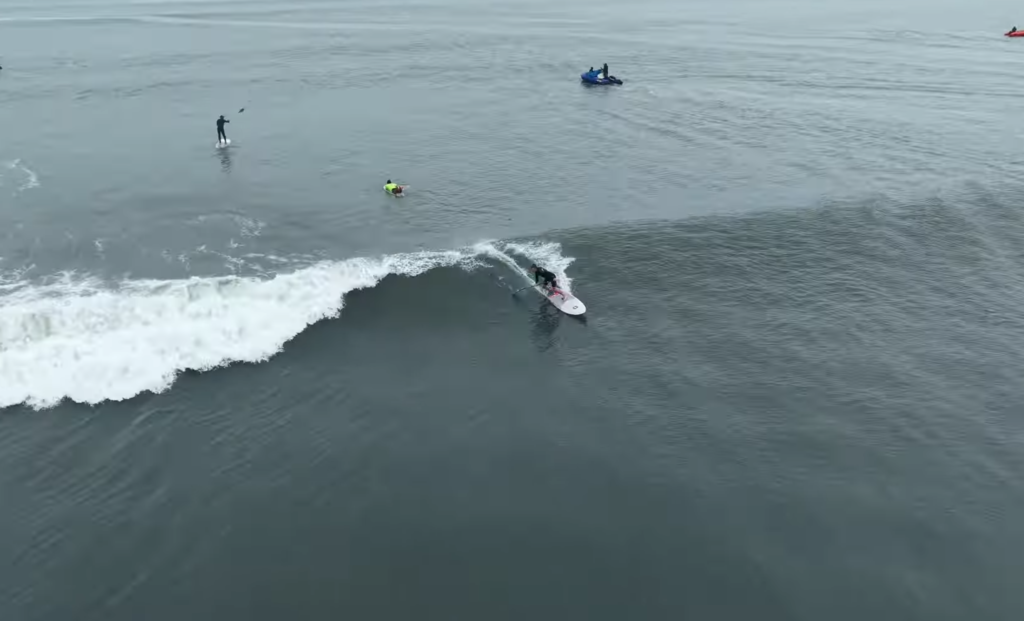
Add in the boats to get back into the lineup, and you just get so much time each session to practice. And those reps really make a big difference to your progression. Another huge benefit was the drone footage.
The pilots were amazing and the videos they captured were so incredibly good. It made the afternoon video review even more effective than usual. Tiago could really dial in on what we should work on the next day. That feedback loop, combined with the long waves and boat assist is second to none as far as the chance to progress.
I improved a lot and I was only surfing half the sessions with a super compromised foot. It’s such a good setup for learning.
6. A DIFFERENT KIND OF SURFING
You came to Chicama partly because you wanted to improve your backside surfing. Did spending so much time on this wave change the way you think about your surfing?
As I mentioned above, the setup at Chicama is incredible for progressing your surfing. The time you have on the face allows you to try something, evaluate how it went, and then try something again. This isn’t a two turns and a wipeout wave. You have time to think, try stuff, react, and try again–on the same wave. It’s pretty special. I left feeling way more confident surfing backhand.
7. CHOOSING THE RIGHT BOARD
You chose to bring your Infinity SUP B-Line Twin to Peru. What does that board give you on a wave like Chicama?
I always give a lot of thought on what board to bring on trips. I think the right or wrong board can really affect how a trip goes. For me, there is nothing worse than being on a board that is too small for the conditions. It sucks making a big trip and then struggle for a week out in the lineup. But I also really appreciate surfing a smaller, more agile board. With some camps (like Portugal and some of the others), there is a quiver of boards on site so bigger boards are available if needed. For those camps, I usually bring one of my smaller, more challenging boards.
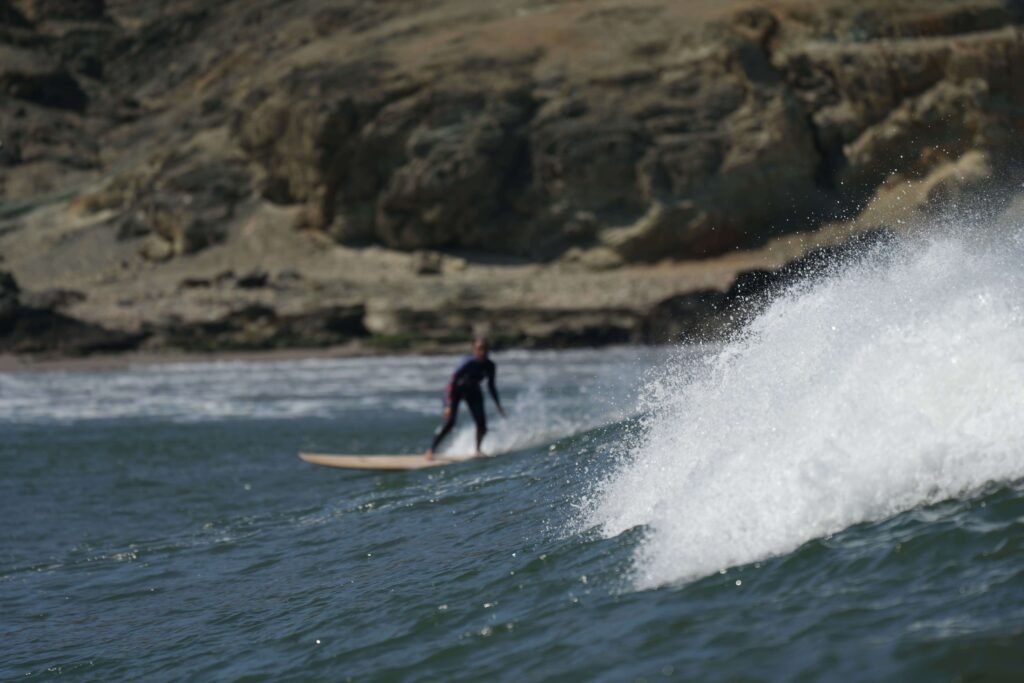
But for Chicama, that’s not really the case. There isn’t really a quiver to fall back on. I knew Chicama was often a softer wave with some slower sections. A longboard would rarely be a bad choice on that wave. The guys riding longboards were killing it. But as I mentioned, I don’t really click with longboards (unfortunately). I thought my BTwin would be a good alternative option. It has a wide tail and a fairly flat rocker. The board can carry speed which is a good thing at Chicama. And at 7’8, it has a rail length that I really find fun. It let me practice top to bottom surfing. And I was really focusing on my backside top turn. We were lucky with conditions and didn’t have too much wind or chop so the 27-inch width and 91 L along with general shape of the BTwin gave me enough stability out there. Ya, the board ended up being a good call. But again, if you have a longboard and like longboard surfing, I think this wave is a great setup for that.
8. THE UNEXPECTED SIDE OF PERU
What surprised you most about Chicama or Peru once you were actually there?
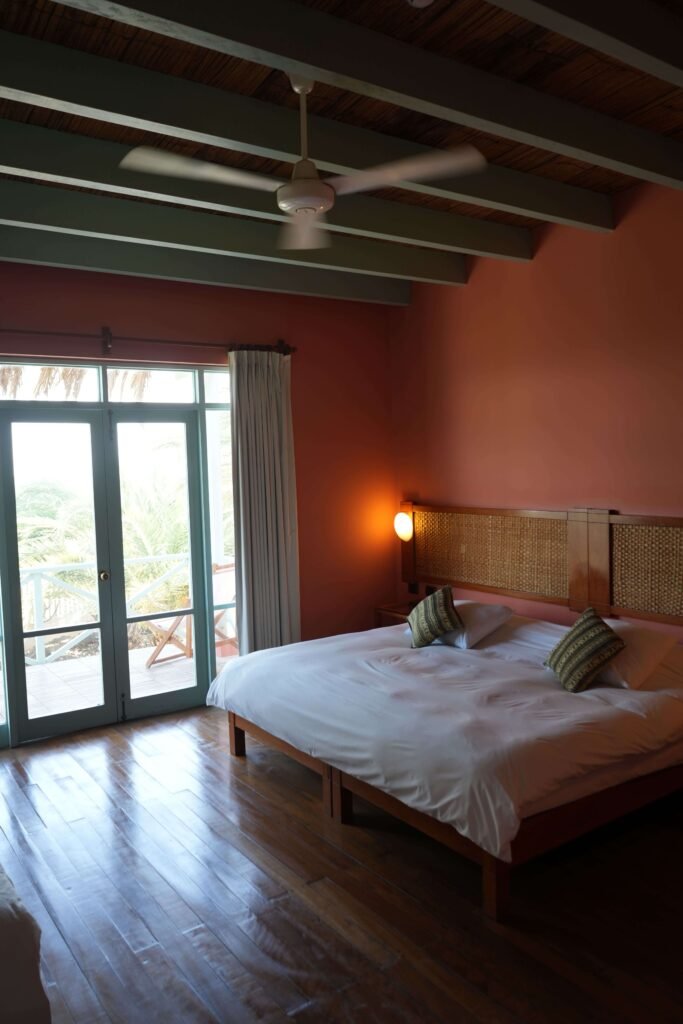
Surfing in front of the cliffs was awesome. The landscape was different than anything I’d experienced before in a very cool way. The hotel was a great place to be. The staff were great. The food was great. But with it being a Mauka trip, I kind of went in expecting that to be the case.
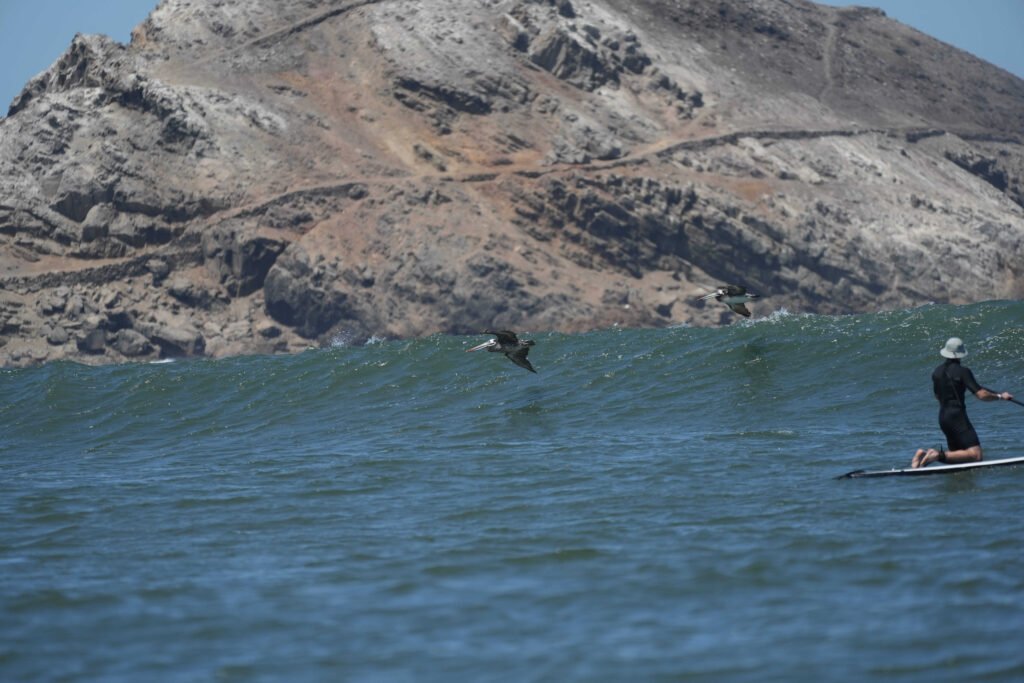
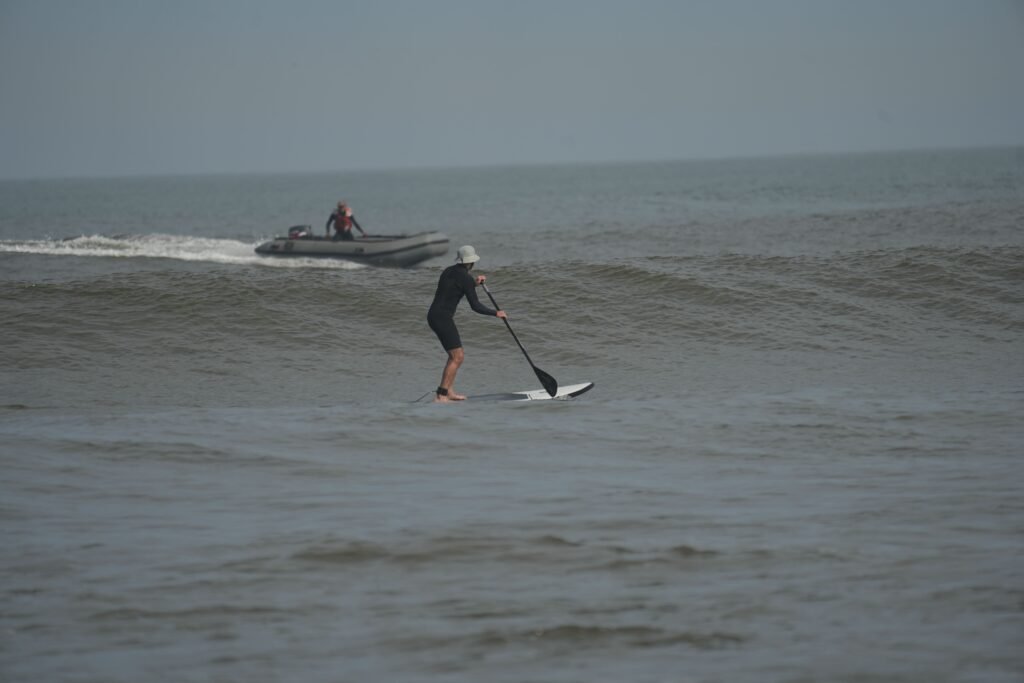
The boats out in the break were incredible and the drivers were fantastic. They were great at navigating the sections and really had a good sense of humour. They definitely added to the enjoyment of the week. To be honest, the surrounding area wasn’t really something that stood out as a great place to spend time. We pretty much stuck to the surf or the hotel. It was a pretty focused surf trip.
9. THE MAUKA EXPERIENCE
What do you think makes a trip like Chicama with Mauka different from simply travelling somewhere to surf?
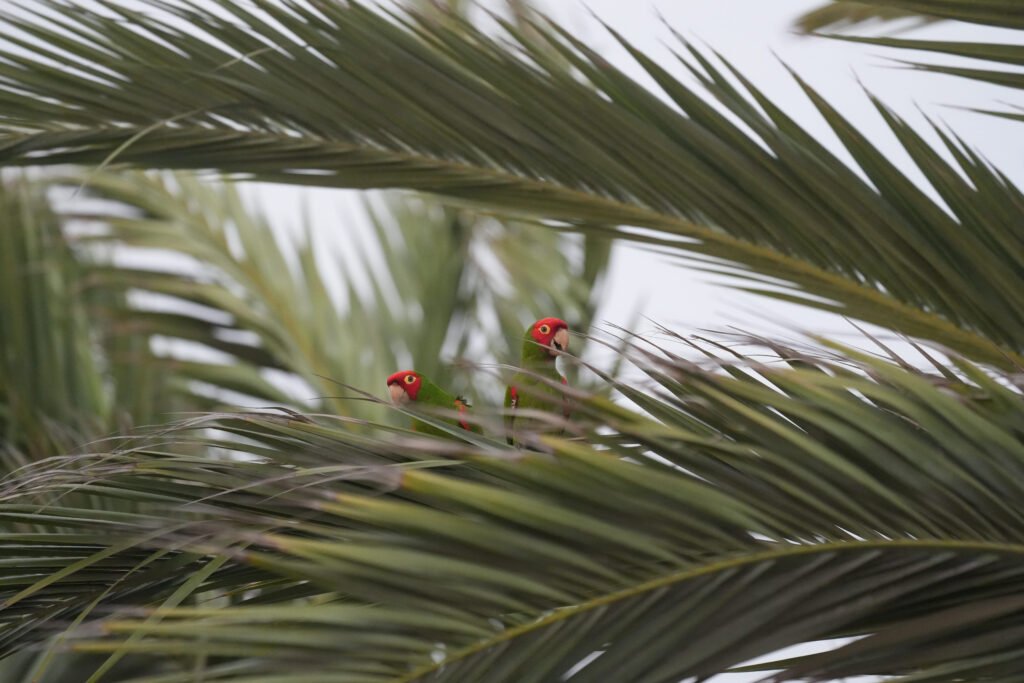
I kind of mentioned all this above, but to summarize, when I travel with Mauka:
- I’ll meet great people and probably will surf with many of them again in the future.
- I’ll get good coaching that is tailored for my skill level.
- The food and accommodation will meet or exceed my expectations.
- I’ll surf the best spots for a given area under the current local conditions.
- I’ll get to travel to new countries and experience new cultures.
- I’ll come home with footage I can review to continue the learning process long after the camp ends.
10. THE MEMORY THAT STAYS
When you think about this trip five or ten years from now, what do you think you’ll remember most?
I’ll remember the people in the group and the general vibe of the waves. I’ll remember surfing long open faces. I’ll remember the boats. I’ll remember the cliffs. I’ll remember hanging in the pool and drinking pisco sours.
11. WHAT’S NEXT ?
After Chicama, what other trips or destinations are planned next?
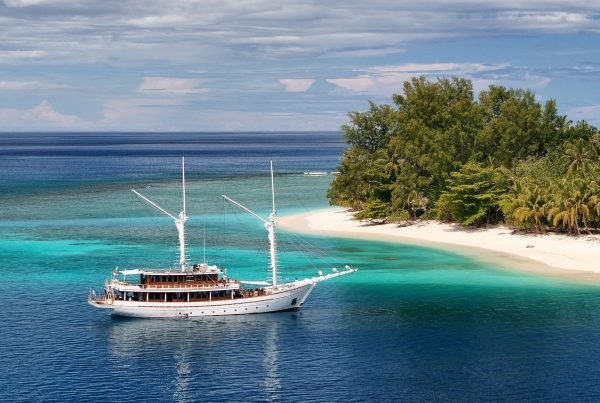
All sites are on Indo! I’m scheduled to join Mauka in the Mentawais next spring. I have some serious physio and recovery to get through before then–both my foot and my back. This fall will be all about strengthening up my body to be ready to give it my all in 2027.